Today we will be dicussing three technological advances that changed clothing from the Renaissance as well as a current 21st Century technological advancement!! Here we go!!
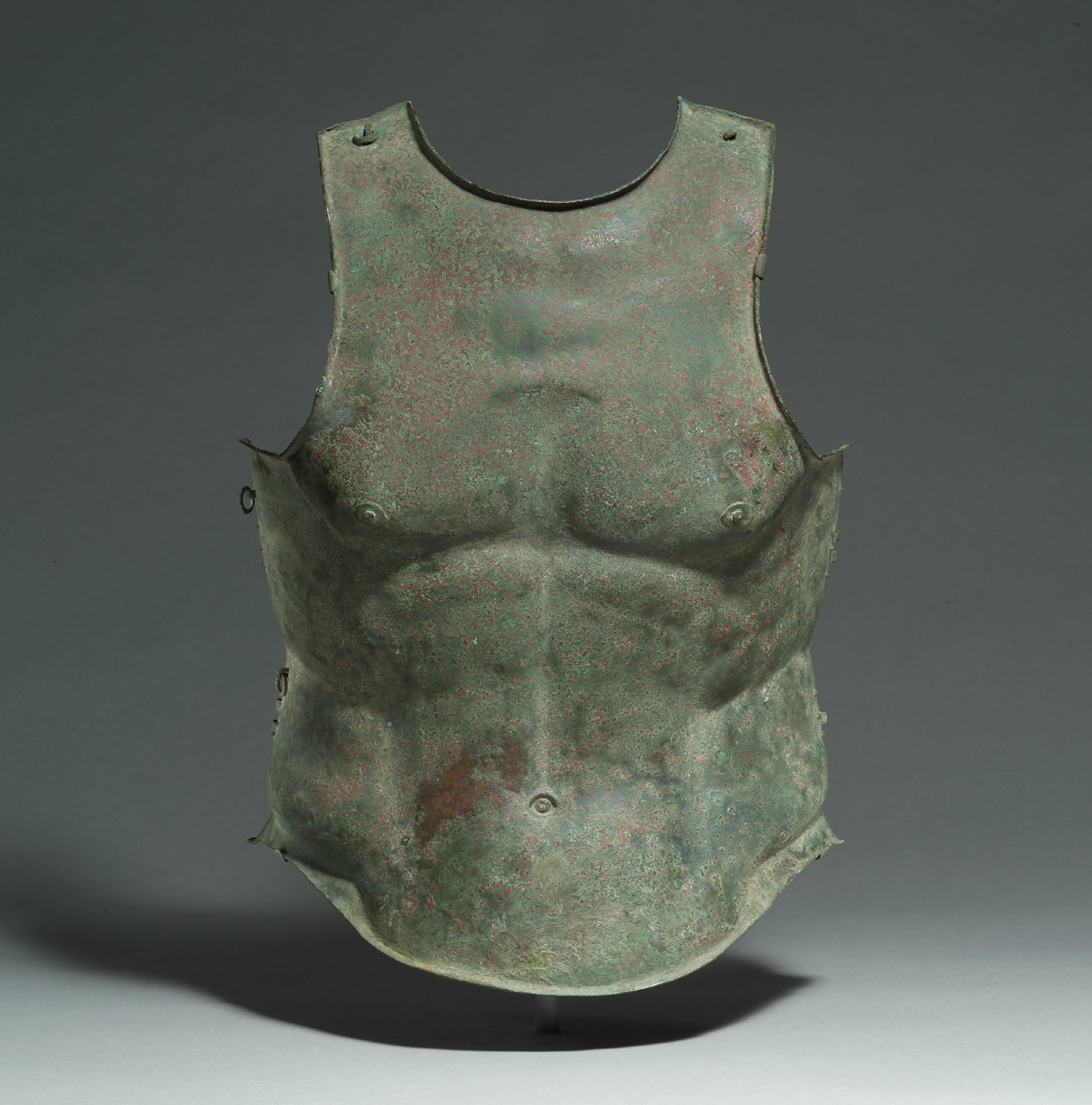
One technological advancement was Humanism. Humanism was the continuation of Cicero’s premise that man was a dignified rational being, this lead to individuals becoming more self-aware and extroverted. They discovered that the human body represented the beauty of proportion in nature, and clothing followed that to fit these human proportions.
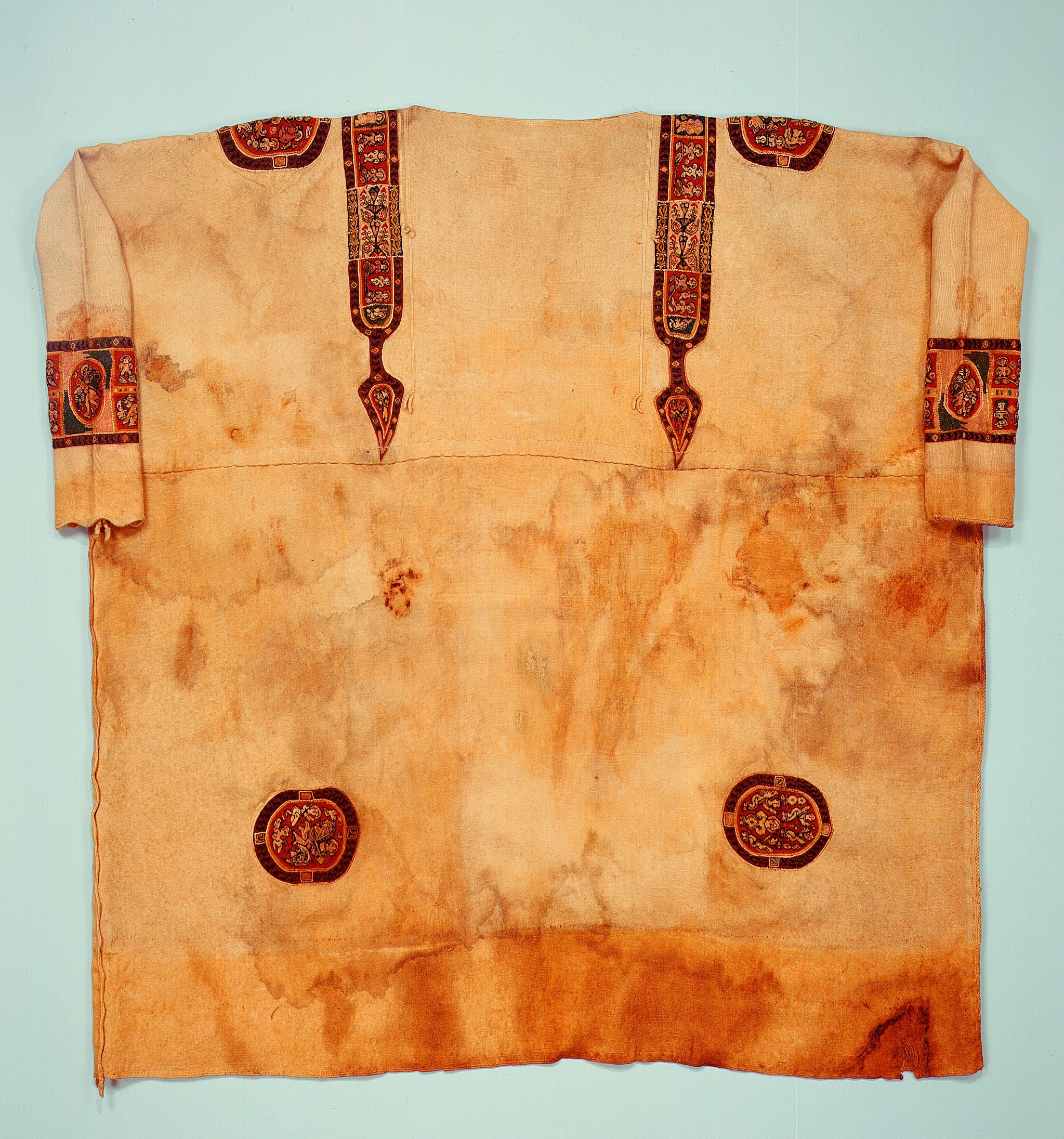
Another technological advancement was textiles. The textile allowed for fabrics to become more elaborate and extravagant, adding more layers and details to the work. Textile workers continued to become more skilled expanding the delicacy of the work. They created precious silks, brocades, taffeta and velvets, making Europe renowned for their quality and beauty of design. The fancier clothes you wore the rich you portrayed yourself.
Lastly, a technological advancement was math and geometry. Math and geometry lead to clothing becoming more precise and intricate. It also lead to advancements in the efficiency and development of embroidery. Such as the Blackwork, a counted-thread embroidery woven in geometric designs with silk. It also lead to machines like treadle-powered spinning wheel which sped up the fabric process. Math And geometry was a large part of the Renaissance Development, it lead to the beginning of expanding thought and examining the human body, which also assisted in the development of humanism.
Relating to modern day, 21st century technological advancement that has affected clothing is the advancement of the internet. Whereas before you had to go to your favorite dress or hat maker down the street, now you can open the internet and look through thousands of different options from around the world. The internet has changed the way the people shop and how clothes are developed. Clothing companies must find new ways to market their products because they have to separate themselves from the many other options. These separating options can be, price, quality, design, uniqueness, charity linkage, etc.