Journal Number 8

Now we will be looking at Byzantine and Medieval clothing!

Here is a Byzantine Jewelled Bracelet from 500–700 A.D.. Early Byzantine jewelry was influenced by Greek and Roman styles, and was used to decorate everything else in the Byzantine Empire. These bracelets have richly jewelled exteriors and finely detailed opus and were made using the common techniques of the age – cloisonné, enameling, repousse, granulation, and gem carving.

https://www.metmuseum.org/art/collection/search/464077?searchField=All&sortBy=Relevance&when=A.D.+500-1000&what=Costume&ft=byzantine&offset=0&rpp=20&pos=6
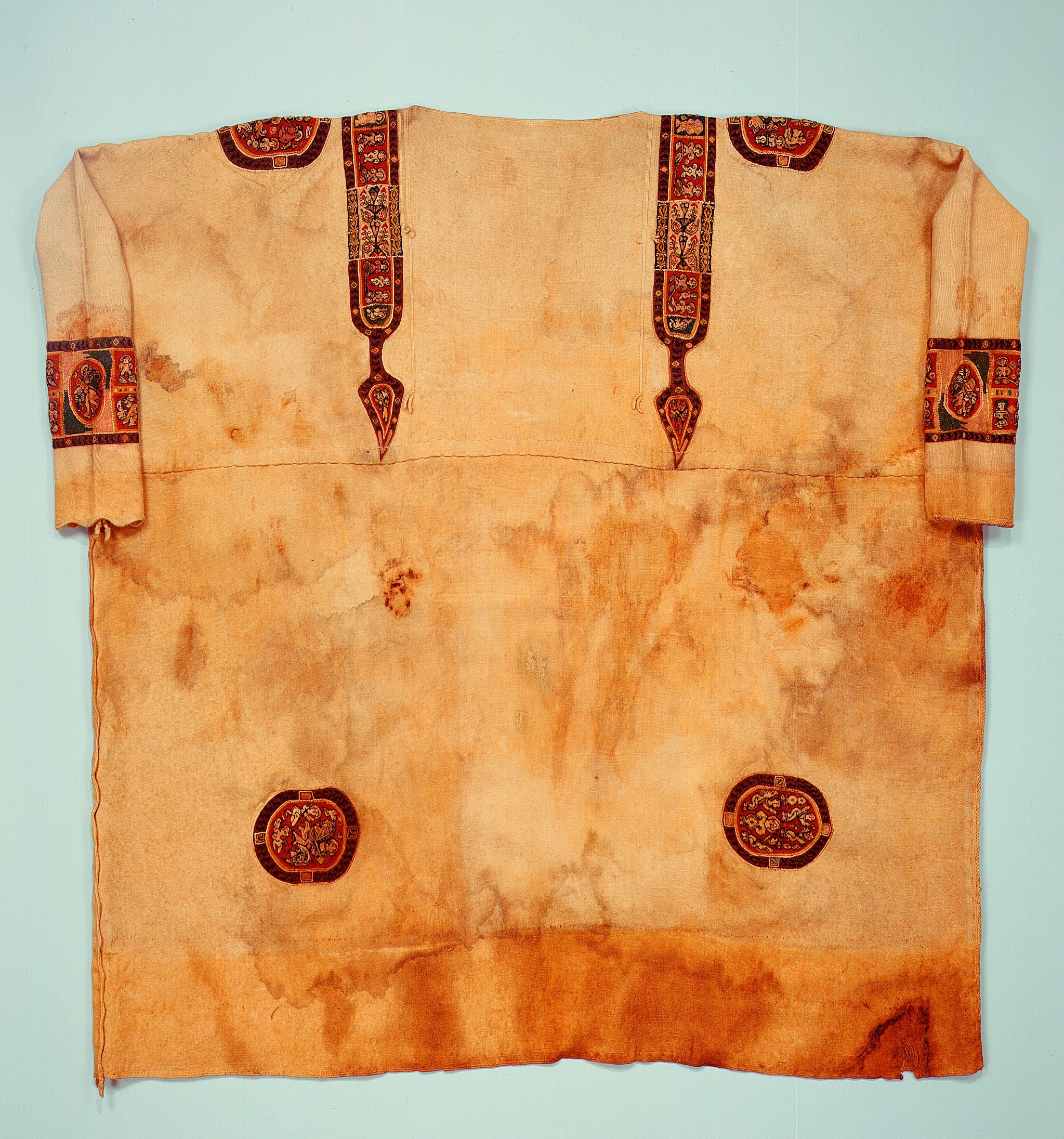
Here is a Byzantine Tunic from 660-870 A.D.. These tunic were a base layer and could be decorated up. Tunics are close-fitting, long-sleeved, ankle- or knee-length, and were made of wool, silk, or linen.

https://www.metmuseum.org/art/collection/search/140003460?exhibitionId=%7B60853040-AE7E-4162-8FA7-525505D6B633%7D&oid=140003460&pg=1&rpp=40&pos=30&ft=*
Here a boot from the Byzantine era from the 6-7th century. People from the Byzantine era wore a wide array of footwear, with an exotic styles. From shoes to slippers to boots make made of anything from silk to leather to wood. This one is made of leather. Like all other clothing in Byzantium, footwear was also decorated with jewels or embroidery, here you can see some details of embroidery.

https://www.metmuseum.org/art/collection/search/443620

Leave a comment