Journal Number 20

Ope…. Didn’t see ya there!…. Ryan Bontorin here! Big News here today! Ladies and Gentlemen, people from all over the world, it has come a sad sad sad time. This here, will be my last journal entry… I know I know its heart breaking. We’ve had a good run… its not you… its me… I just need sometime to work on myself. And spend time with my dog.

Today we will looking at my favorite piece of clothing/fashion style/movement from the past semester? LETTTTTSSSSS GGGGEEEEEEETTTTT ITTTTTT!!!!

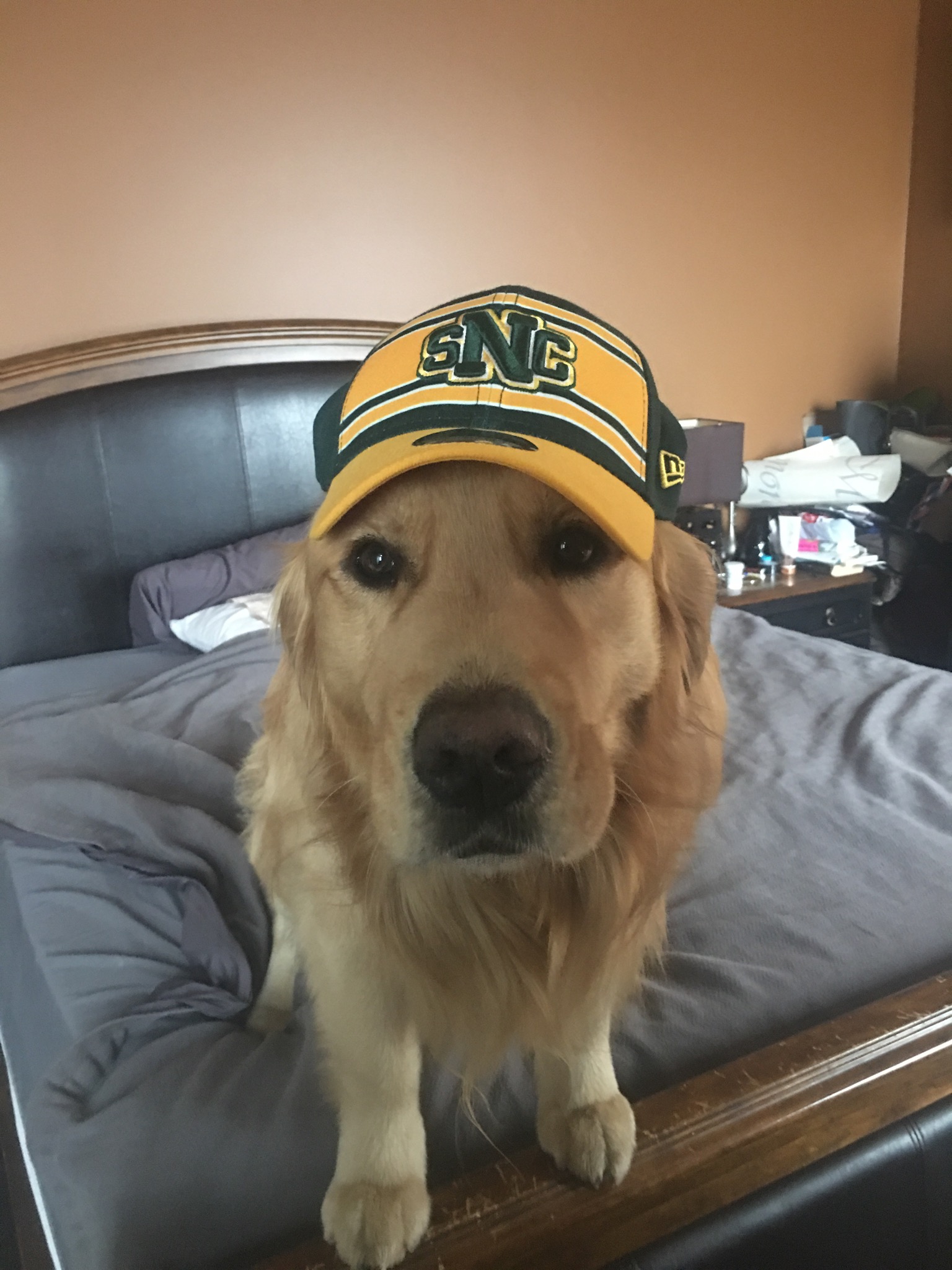
My favorite fashion movement from the class would have to be the style trend. I like that it is about embracing yourself and you group and expressing it. These different trends are confident in themselves and what they stand for. I like the hippie trend, because it came from just a rebellious era but in a kind free spirited manner. They also wore extremely bright and interesting combinations of clothes.

My dog!

Journal Number 19

AHOY!! Internet surfers how are we doing today?! Today…. “Drumroll please” we will be looking at 20th century style tribes, aswell as modern day style tribes. LETTTTSSS GETTT ITTTTTT!!!!

A style tribe from the 20thcentury is the “Preppies”. The style of displaying wealth and wearing almost over the top nice clothes to unnecessary places. The “my dad’s a lawyer, don’t touch me look” haha. Clean cut clothing from only the top brands. Collared shirts tucked in, nice dresses and simple shorts. Focused on showing how wealthy they are. Another style tribe is the Denim. Also known as the Canadian tuxedo or late strutted by Justin Timberlake. Often overdone, with too much denim on denim. The denim look was a trend wasn’t the most popular but some loved it. I personally enjoy the all denim look. 

A style trend today is the St Norbert College Student Athlete trend. One to two articles of school team apparel, just enough to let people know you play a sport. But not too much, like a full tracksuit, that would make them think you have a road trip. If not wearing team issued sweatpants, bottoms would be substituted in with another pair of plain sweatpants or leggings for girls. A hoodie is a must for these hard workers. Other essential piece is the water bottle. These highly intense athlete-students… oops I mean student-athletes always need to be hydrated, let me tell ya. Lastly running shoes, because you are once again a student athlete and you must show off how fast you could run if wanted to. Or if you didn’t just have “the hardest practice ever”… or at least since last week. Now I would love to take a selfie but that doesn’t do it justice so here is my friend Brad. After he aced a test. GOOOOO KNIGHTS!!!

Sorry Brad

Journal Number 18

YEELLLLOOO!! Today we will be looking late 20th century clothing from between 1960 to 1999. Lets get it!!

Here are women’s GO-GO boots from the late 20th century. The are from 1975, designed by Jerry Edouard. This style of boots returned in the 1960s. The bohemian influence on fashion was generating large historical and ethnic effects. This pair of boots demonstrates both qualities, with its traditional cut and lively folk type embroidery.

https://www.metmuseum.org/art/collection/search/156344
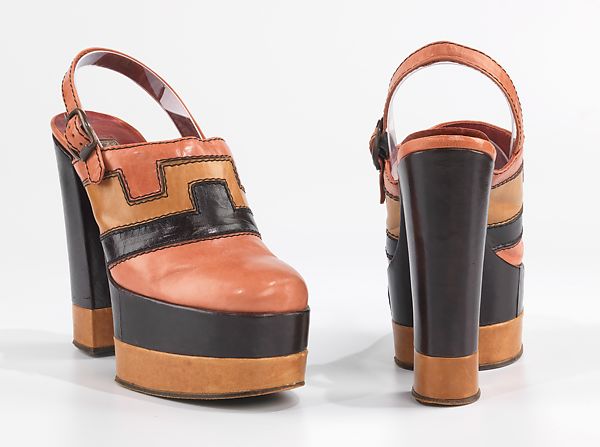
Here is another type of shows women wore in the late 20th century, called the platform shoe. These Mary Poppins, Italian manufactured shoes are from 1973. Much like the Go-go boots these shoes came back in the 1960s, following the hippie and bohemian era. This shoes were extremely decorated and worn primarily for the sake of attracting attention.

https://www.metmuseum.org/art/collection/search/158323
Here is mens suit from the late 1960s. The late 1960s prompted significant change in menswear with the disappearance of grey flannel and the shift to more elaborate designs.

https://www.metmuseum.org/art/collection/search/83175

Journal Number 17

Hello!!!! Today we will be looking at Early 20th Century Clothing, specifically  between Edwardian (1900) to Cold War (1960)!! Let’s get it!!!!!

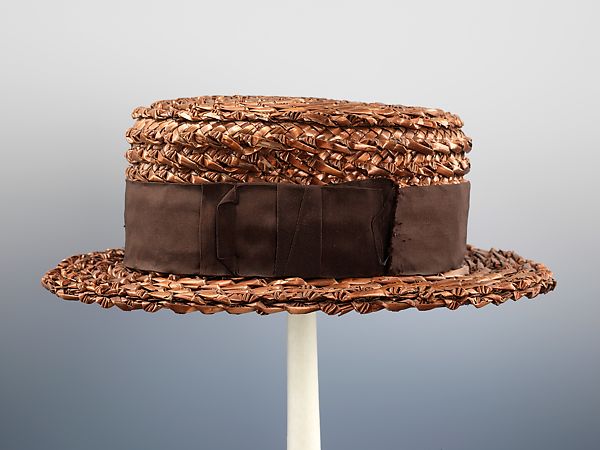
Here is Boater hat from the early 20th century. Both men and women would wear the boater as a popular summer accessory in the late 19th and early 20th centuries. Originating as the style worn by British university students for sport and leisure activities on the water, it is also called a “sailor,” “basher” or “skimmer” in period accounts. This hat was made by Knox Hat Company.

https://www.metmuseum.org/art/collection/search/156738
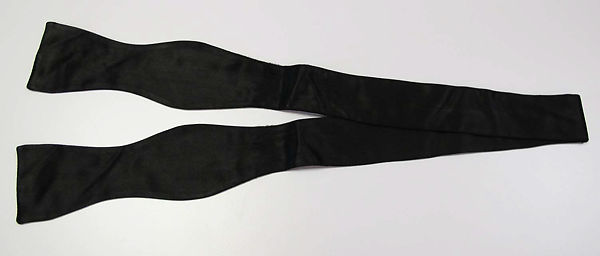
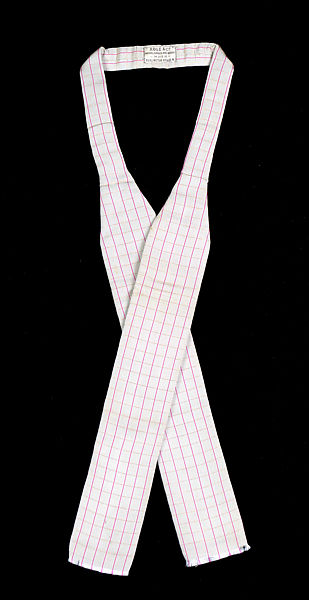
Here is a early 20th century French bowtie. This one is made of silk. Men at the time began to wear different from of neckties and this is one of them. Others were four in hand and ascot.

https://www.metmuseum.org/art/collection/search/162560
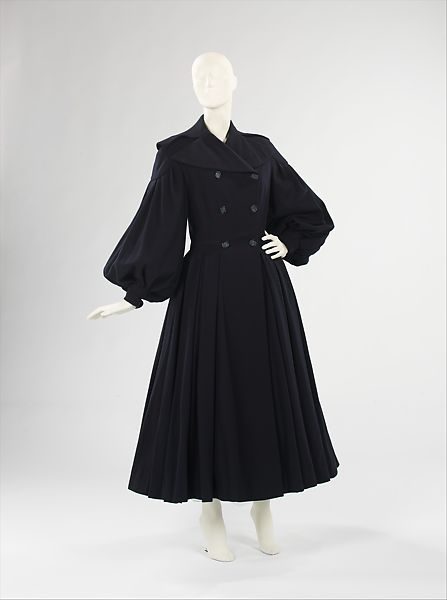
Here is woman winter/fall coat from 1948. These early 20th century coat are called frock dress, or coat dress. It has a military look similar to mens coats, following the World War era of clothing. Suit top with a dress bottom.
https://www.metmuseum.org/art/collection/search/158460

Journal Number 16

Good day kind internet user! This lovely blog will be about the Dress Reform in the Late 19th century. We will be looking at the reasons behind it and the movement that came out of it. LETTTSSS GETTTT ITTT!!!

In the 19thcentury there was a major Dress Reform Movement. This was really the first era of feminists and women’s rights equality movement. The dress reform lead to this Progressive era, of changes for women and becoming active participant of society. 

This reform lead to changes in women’s clothing, with shifts away from style built on looks and shapes of the body to more reliable conformable clothing. Getting away from the “pretty” clothing and towards respectful more active clothing for women. They were tired to make public of the health and moral risks of the clothing. One of the main reasons for the reform was to not force women to wear the corset. The corset was extremely dangerous and doctors acknowledged this and supported the reform. Another reason was to limit the amount of undergarment women wore at the time, limiting it down to 6.5 pounds from the previous 13 pounds. That an insane amount of clothing! 

As a result of the movement new clothing appeared, include the Bloomer Costume. This was a conformable, knee length dress over trousers. Another new piece of clothing was new styles of dress with fitted through the waist then belled out bottoms. Women suits also later became introduced, as well as active wear for women.

Journal Number 15

Today we will be looking at 19th century clothing!!!!!!!!

Here is a 19th century mens cravat. This is made of silk by Rose & Company from British culture. Men would wear cravats under there coats. As the century went on they became higher and bulkier. Men has many different fancy methods to tie the cravats around their necks.

https://www.metmuseum.org/art/collection/search/174641
Here is a frock coat from 1840. This American frock coat is made of wool. Frock coats would have fitted waistlines and long skirts. In the nineteenth century, the frock coat became a symbol of British masculinity and empire. They were simpler and less structured than the eighteenth century dress coats.

https://www.metmuseum.org/art/collection/search/84364
Here is a woman’s Cage crinoline from 1862–63. This is one of the earliest pieces produced by the famous Worcester Skirt Company, who was one for the first crinoline producers. Women would wear cage crinoline to create a pre-bustle shape with a hue circumference. With a dress place over top and the shape was to minuscule the waistline, and draq attention to the women. They wanted to become a presence in the room.

https://www.metmuseum.org/art/collection/search/157055

Journal Number 14

Today we will be looking at Beau Brummel and why he important to fashion in the 19th century? We will be also looking at a modern Beau Brummel?

Beau Brummel was a 19thcentury dandy who singlehandedly shaped men’s style and fashion as we know it. From the Regency England, Beau was extremely influential to men of the time as he broke down the wall that separated average me like him and aristocrats of England. He recreated the rules on clothing and standard of wealth and fashion at the time. Brummel was the able to infiltrate and become an elite by the clothes which built him up. His prize piece, the suit and tie. He introduced exceptionally well-fitted and precisely tailored clothing, worn over linen of the whitest white and extravagant neckties. He took pride on maintain his clothes extremely well and only wearing the perfectly fitted clothes. He shaped men’s fashion today and his work is very prevalent today. 

Here is a painting of Beau Brummel

http://hespokestyle.com/beau-brummell-fashion/

A modern dandy is Conor Mcgregor. Many athletes have crossed with the fashion world or have expanded and pushed the modern trends of men’s style. Another good example would be Micheal Jordan or Russel Westbrook who have both made their own clothing but also changed the game. Staying on the concept of suit, we have Conor Mcgregor, a MMA legend and one heck of personality. He enters the fashion game with extravagant suits and overcoats. Suits used to be thought as simplicity is best, but Conor has pushed that limit to the extreme. From furs to colors to “#&%$ you” printed on suits to pairing with fancy accessories he had expanded the suit game. He also continues to wear extreme clothing in all parts of his life from training to streetwear he is always on point.

Here Conor Mcgregor at a press conference before the Mayweather Fight.

https://www.mirror.co.uk/sport/other-sports/mma/conor-mcgregor-polar-bear-coat-10795033

Journal Number 13

Now we will be looking at 18th Century Clothing!

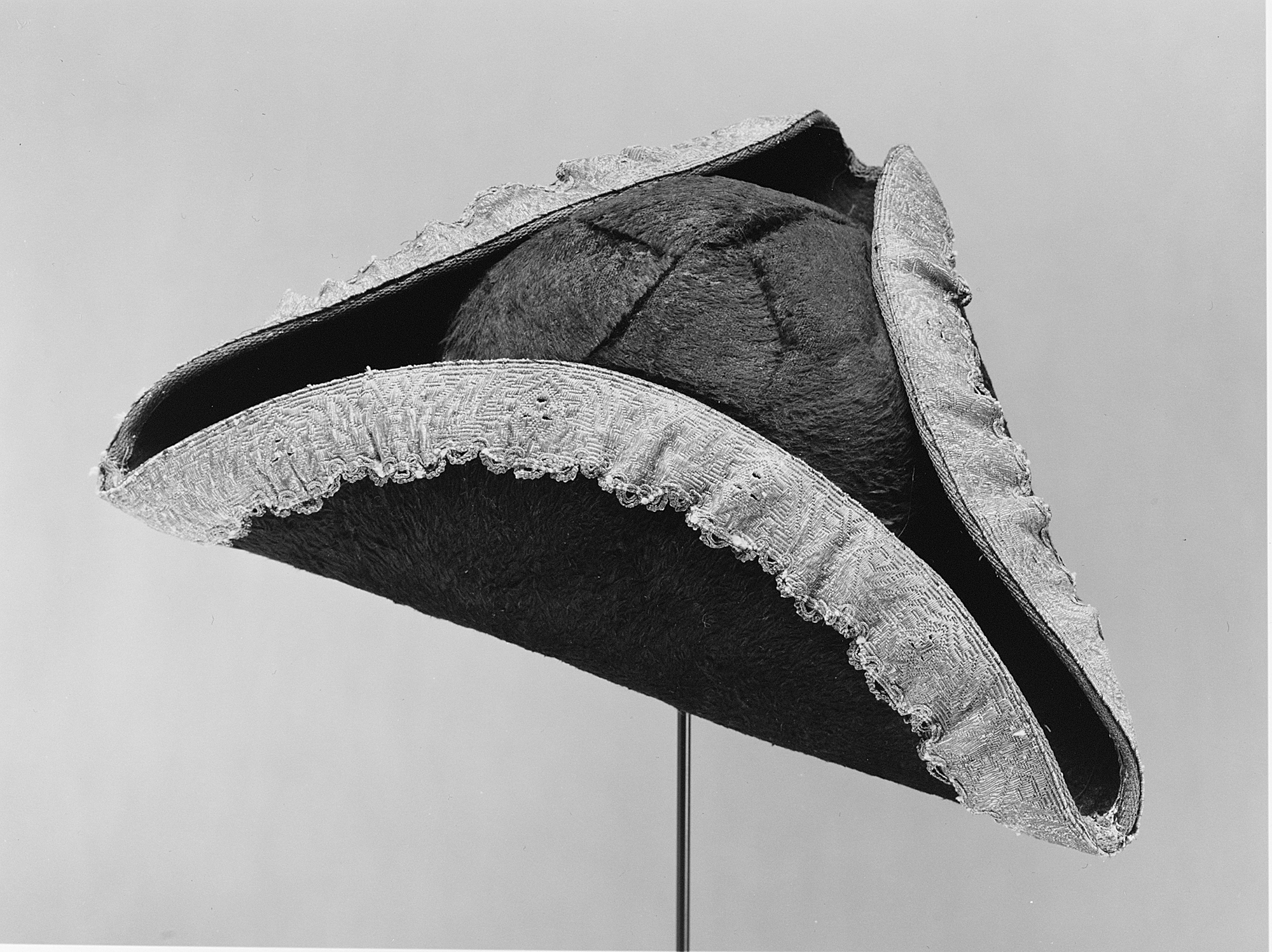
Here is 18th Century Tricorn Hat. The tricorn or three-cornered hat had a variety of trimmings including: lace, braid, or feathers. Here you can see the lace and the great detail on it.

https://www.metmuseum.org/art/collection/search/81668
Here is an 18th century French corset by designer Maison Léoty. Corsets became works of art in the 18thcentury for women, visually however physically, they we’ve extremely uncomfortable and could cause damage, miscarriages, and fainting. You can see this my the narrowness of the waist, unnatural but for looks. Like this corset they were made of silk with intricate designs. Corsets were a status symbol for women.

https://www.metmuseum.org/art/collection/search/82433
Here is a French Pannier from the 18th Century. Women would wear dress design to go over these to draw attention to themselves and become a presence when in a room. A symbol of statues and attention. The bell shape began to flatten from front to back and widen from side to side these skirts could be as wide as six feet. This one is made of silk, cane, metal.

https://www.metmuseum.org/art/collection/search/139668

Journal Number 12

Now we will be looking at 17th Century Clothing.

Here is a portrait of “Laughing Cavalier” by Frans Hals. It shows the elaborate designs, heavy embroidery, with lavish trims of lace, ribbons, and some hints of gemstones from the French style ascendancy. Along with a wide low brimmed hat.

https://joyofmuseums.com/museums/united-kingdom-museums/london-museums/wallace-collection/masterpieces-of-the-wallace-collection/laughing-cavalier/
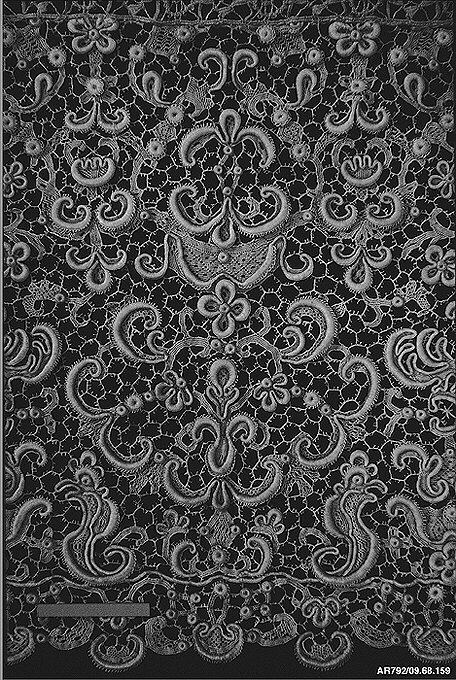
Here is a French Cravat End from the late 17th century. You can see the intricacy of the design and the level of details they would wear. It would be often seen as part of neck wear to enhance the natural good looks of the wearer.

https://www.metmuseum.org/art/collection/search/218101
Here is 17th Century French Suit. You can see the embroidery with silk floss and different patterns and shapes along with the silhouette and outlines of the suit. The under layer would be winged armseyes and turned back lace cuffs replaced ruffles with a stiffened collars paired with a ruff or wide lace. Full coats were starting to appear at the start of the century, but they were too utilitarian to be worn for portraiture.

https://www.metmuseum.org/art/collection/search/81134

Journal Number 11

Today we will be discussing the difference between members of the puritan and royalist factions in the English Civil War differ? What seems to have been the basis for these differences?

The difference between the clothing of puritan and royalist factions during the English Civil War was simple versus loud and intricate. Puritans, a Calvinist sect, dressed very plain in their clothing. They would wear clothing designed with reserved shapes, with dark and somber shades. They had no excess fluff on their clothing; no frills, no furs and no feathers. Puritans believed that simple clothing showed you had a pure heart. They were very modest in their opinion of clothing. The difference in wealth for puritans meant only the riches would have high quality clothing. 

Royals were the opposite. They dressed in trendy and intricate clothing with great details. They enjoyed wearing flamboyant clothing full of rich colors and bright hues. They would decorate their clothing with everything, from jewels, to feathers. They would wear large has with decorated brims full of feather and jewels.

The basis for this difference was their religious backgrounds. Puritans dress in a modest manner they reflected their beliefs. They believe that God expected them to live according to Scriptures, to reform the Anglican Church and to set a good example following those principles that would cause those who remained in England to change their sinful ways. This explains their simple down to earth clothing and manner. The Royalist were in favor of the Church of England, monarchy and divine kings. They church was highly decorated which explains why the royalist dress lavishly. They also were associated in higher society so they could dress more in expensive clothing with lots of decorations.